The Spiritual Science of Sleep: How Consciousness, Circadian Biology, and Emotion Interact
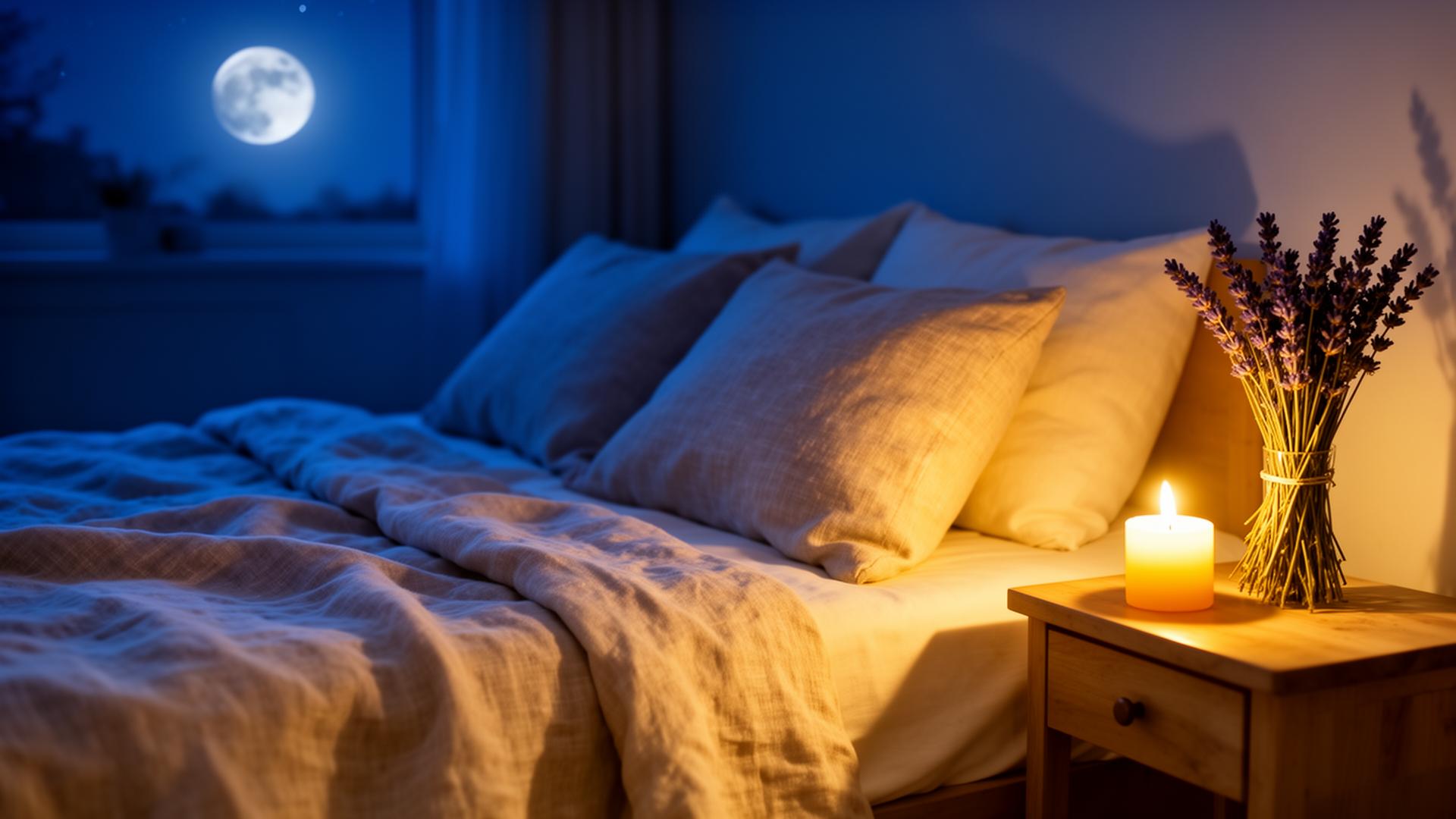
What if sleep is not merely rest—but recalibration of body and consciousness? Across spiritual traditions, nighttime has been described as sacred restoration—a passage into integration and renewal. Modern sleep science offers complementary language: glymphatic clearance, synaptic pruning, metabolic reset, hormonal recalibration.
Different terminology.
Shared mechanism.
Your circadian rhythm is not a passive clock. It is a dynamic regulatory system influenced by light exposure, stress hormones, emotional interpretation, and cognitive patterns.
Sleep is biology responding to signal.
Circadian Biology and Internal State
The suprachiasmatic nucleus in the hypothalamus functions as the body's master clock, coordinating hormonal rhythms and metabolic cycles. Light exposure—particularly morning sunlight and nighttime artificial light—directly influences melatonin release and cortisol timing.
However, circadian regulation is not driven by light alone.
Emotional stress elevates cortisol and sympathetic activation, delaying melatonin secretion and fragmenting sleep architecture. Chronic rumination or threat-based internal narratives increase nighttime vigilance, reducing deep slow-wave sleep and REM cycles.
Sleep is not just about darkness.
It is about safety.
Biology describes nighttime as a period of glymphatic detoxification clearing metabolic waste from the brain, synaptic pruning optimizing neural networks, growth hormone release supporting tissue repair, memory consolidation integrating emotional experience, glucose regulation recalibration, and immune modulation.
When sleep is stable, inflammation decreases, insulin sensitivity improves, and cognitive clarity strengthens. When sleep is disrupted, cortisol remains elevated, inflammatory markers rise, and metabolic dysregulation increases.
How Emotion Impacts Sleep
Fear-based cognition increases cortisol output and sympathetic tone. Elevated cortisol suppresses melatonin and disrupts REM onset. The body remains partially alert, even in darkness.
Safety-based cognition supports parasympathetic dominance. Melatonin rises appropriately. Heart rate variability improves. Slow-wave sleep deepens.
This is measurable physiology.
Research published in Nature Neuroscience demonstrates that emotional memory processing occurs during REM sleep. The American Academy of Sleep Medicine identifies stress reduction as a primary intervention for chronic insomnia. Harvard Medical School's Division of Sleep Medicine emphasizes cognitive-emotional regulation as central to sleep hygiene.
The story you bring into the night matters.
Small nightly rituals are not symbolic—they are regulatory inputs.
Slow breathing reduces sympathetic activation. Gratitude practices increase parasympathetic tone. Prayer or reflective intention stabilizes cognitive rumination. Consistent light reduction signals melatonin release.
When practiced regularly, these behaviors condition the nervous system to associate nighttime with safety and restoration.
Spiritual traditions framed nighttime as surrender. Biology frames it as autonomic recalibration. Both recognize that sleep requires trust.
Metabolism, Energy, and Conscious Integration
Poor sleep impairs mitochondrial efficiency, reduces insulin sensitivity, and increases hunger-regulating hormones such as ghrelin. Emotional dysregulation intensifies with sleep deprivation, creating a feedback loop between mood instability and metabolic disruption.
Conversely, restorative sleep enhances emotional resilience, supports immune repair, and strengthens executive function.
Sleep is not passive. It is active physiological intelligence.
If daytime stress signals persist into night, recalibration cannot occur fully. Circadian biology responds to internal narrative as much as external light.
Closing Reflection
What emotional tone and internal story are you carrying into sleep each night—and how might a small ritual of safety reshape your body's restoration process?
References
Harvard Medical School Division of Sleep Medicine. "Circadian Rhythms and Sleep Regulation."
American Academy of Sleep Medicine. "Clinical Practice Guidelines for Insomnia."
Nature Neuroscience. "REM Sleep and Emotional Memory Processing."
Sleep Foundation. "The Glymphatic System and Brain Detoxification."
National Institutes of Health. "Sleep and Metabolic Regulation."
Optimize Your Recovery with OYA
OYA's integrated diagnostics help you understand how sleep, stress, and circadian biology interact—so you can restore from the inside out.
Written by
Oya.Health Team
share


Might Want to Read This

The Vagus Frequency: How Breath, Intention, and Emotion Tune Your Body's Master Nerve
In under three minutes, you can measurably shift vagal tone. Breath, emotion, and meaning recondition your nervous system.

Cellular Memory and the Science of Stored Emotion
Trauma and emotional experiences imprint neural, hormonal, and immune patterns. The body stores what the mind cannot process.

Peptides: The Molecule That Might Be Rewriting Your Biology
Peptides act like biological instructions—repairing, regulating, and recalibrating your internal systems when your terrain is ready.