The Ritual Brain: Why Ancient Practices Were Early Nervous System Tools
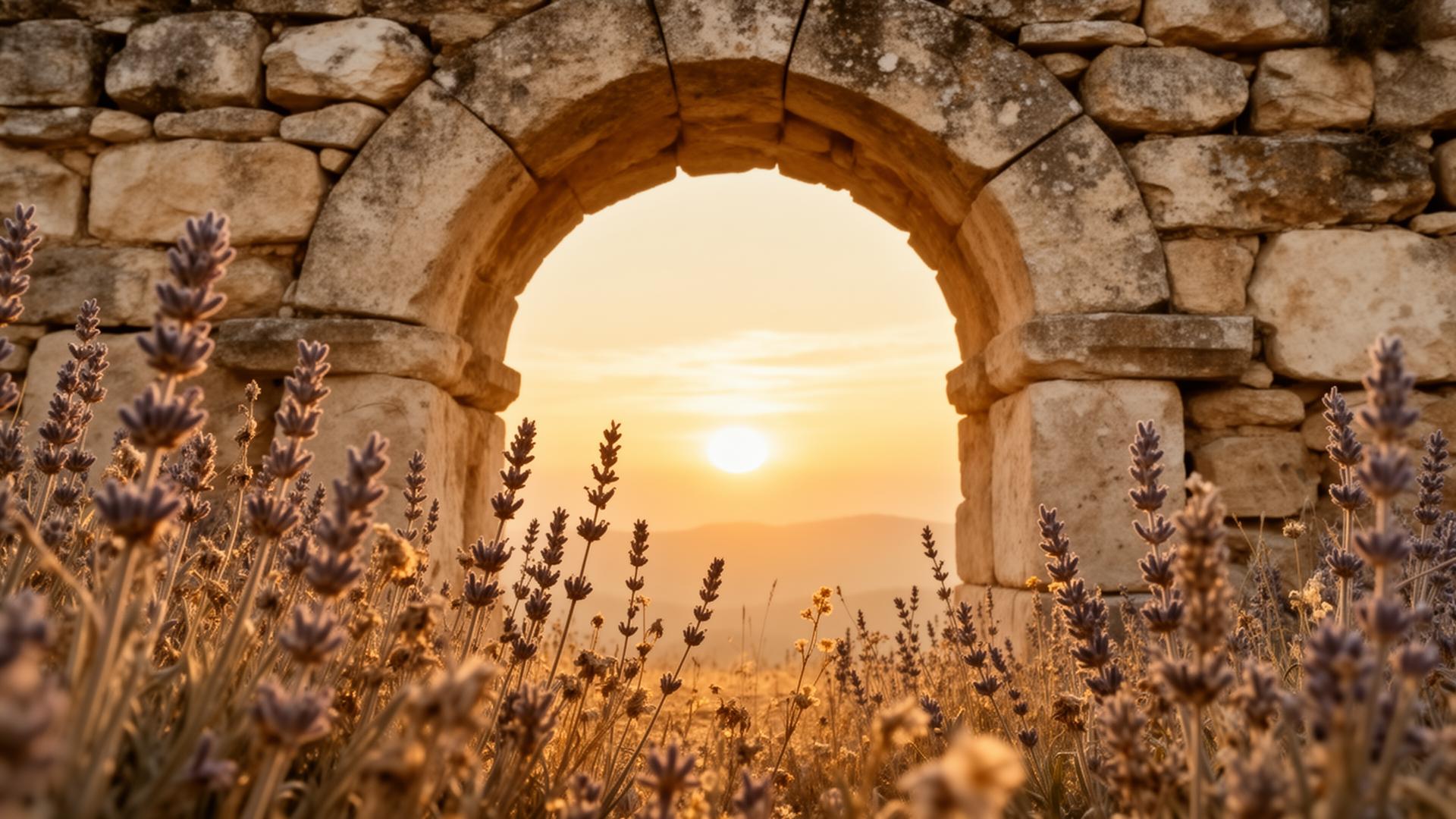
Why did every ancient culture emphasize ritual — and why is modern neuroscience now validating it?
From Indigenous ceremonial rhythms to monastic prayer cycles, from yogic breath practices to communal chanting, early civilizations embedded ritual into daily life. These were not random traditions. They were patterned, embodied behaviors designed to stabilize the human system.
Today, neuroscience provides language for what ancient cultures practiced intuitively: ritual is structured nervous system regulation.
Ritual is not symbolic performance.
It is patterned nervous system entrainment.
Ritual Is Biology in Disguise
Peer-reviewed research in psychophysiology and behavioral neuroscience demonstrates that consistent ritualized practices can reduce sympathetic nervous system dominance, improve heart rate variability (HRV), lower circulating inflammatory markers, and enhance emotional regulation.
Slow, rhythmic breathing stimulates vagal tone and shifts autonomic balance toward parasympathetic activation. Repetitive chanting has been shown to synchronize breathing patterns and increase HRV. Prayer and gratitude practices correlate with improved emotional coherence and reduced stress biomarkers. Structured movement sequences such as tai chi and yoga improve balance between cortical and limbic activity.
These outcomes are measurable. They reflect pattern stabilization within neural networks and cardiovascular rhythms.
When behaviors are predictable and repeatable, the brain interprets them as safety signals. Safety recalibrates physiology.
Neuroscientists describe this as pattern stability. Psychologists refer to it as cognitive-emotional regulation. In systems biology, it is adaptive homeostasis.
Ancient cultures described it as spiritual alignment.
Why Ritual Works
Repetition Creates Neural Pathways
Repetition strengthens synaptic connections. When attention is repeatedly directed toward a specific behavior — breathing pattern, phrase, posture — the associated neural circuits become more efficient. Over time, ritual becomes an automatic stabilizer.
Predictability Reduces Stress
The human brain continuously scans for threat or order. Predictable sequences reduce uncertainty, and reduced uncertainty lowers baseline cortisol output. Structured repetition communicates safety to the amygdala and stabilizes the hypothalamic–pituitary–adrenal (HPA) axis.
Embodied Behavior Anchors Emotional States
Breath, vocalization, and rhythmic movement directly influence the vagus nerve. Vagal stimulation increases parasympathetic tone, improves digestion, enhances immune modulation, and supports emotional flexibility. The body participates in the regulation process, not just the mind.
Group Ritual Amplifies Regulation
Research on social synchrony demonstrates that shared rhythmic practices — singing, coordinated movement, collective prayer — synchronize heart rhythms and neural oscillations across participants. Social coherence increases oxytocin signaling and reinforces feelings of safety and belonging.
Meaning Enhances Biological Impact
Behavior coupled with emotional significance activates limbic circuitry more strongly than mechanical repetition alone. When ritual carries personal or cultural meaning, the physiological response deepens. Emotion strengthens neural imprinting.
Structured repetition regulates human biology.
Ritual is adaptive technology embedded in human history.
The Consequences of Ritual Loss
Modern life has minimized shared rhythms. Irregular sleep cycles, constant digital stimulation, and fragmented attention disrupt biological patterns that once stabilized human physiology. Without structured repetition, stress activation becomes chronic rather than cyclical.
Lifestyle medicine increasingly emphasizes sleep timing, consistent movement, social connection, and reflective practices — not as luxuries, but as regulatory anchors.
The New Rituals for Modern Life
• Morning breathwork
• Journaling with intention
• Prayer or reflective stillness
• Grounding barefoot outdoors
• Cold exposure protocols
• Gratitude-based coherence practices
• Walking meditations
• Evening nervous system downshifting through light reduction and slow breathing
These are structured behavioral anchors. Their effectiveness lies in consistency, repetition, and emotional presence.
Ritual is the original nervous system reset.
It stabilizes autonomic balance. It strengthens neural efficiency. It lowers inflammatory load. It enhances psychological resilience. It creates physiological predictability in a complex environment.
The integration of ancient practice and modern neuroscience suggests a clear principle: structured repetition regulates human biology.
Ritual is not outdated. It is adaptive technology embedded in human history.
What daily ritual — simple, intentional, repeatable — could recalibrate your physiology over the next decade?
References
Thayer, J.F., Lane, R.D. "A Model of Neurovisceral Integration." Biological Psychology.
Porges, S.W. The Polyvagal Theory. Norton.
Bernardi, L. et al. "Effect of Rosary Prayer and Yoga Mantras on Autonomic Cardiovascular Rhythms." British Medical Journal.
Kok, B.E., et al. "Social Connection and Vagal Tone." Psychological Science.
Dhabhar, F.S. "Effects of Stress on Immune Function." Nature Reviews Immunology.
National Institutes of Health. "Mind–Body Practices and Stress Reduction."
Harvard Medical School. "Relaxation Response and Cardiovascular Regulation."
Creswell, J.D. "Mindfulness Interventions." Annual Review of Psychology.
Build Your Daily Ritual with OYA
Integrate structured nervous system regulation into your daily life with OYA's Daily Flow, SoulMade™, and guided recalibration.
Written by
OYA Health Editorial
share


Might Want to Read This
Rebuilding Regulation at the Speed of Biology
A rapid vagal reset shifts your system from reactive to regulated—when your internal terrain is ready to receive the signal.

The Biology of Belief: How Your Inner Narrative Shapes Your Cells
Beliefs are not abstract thoughts. They are biological signals that shape stress, inflammation, immunity, and aging.

Peptides: The Molecule That Might Be Rewriting Your Biology
Peptides act like biological instructions—repairing, regulating, and recalibrating your internal systems when your terrain is ready.